
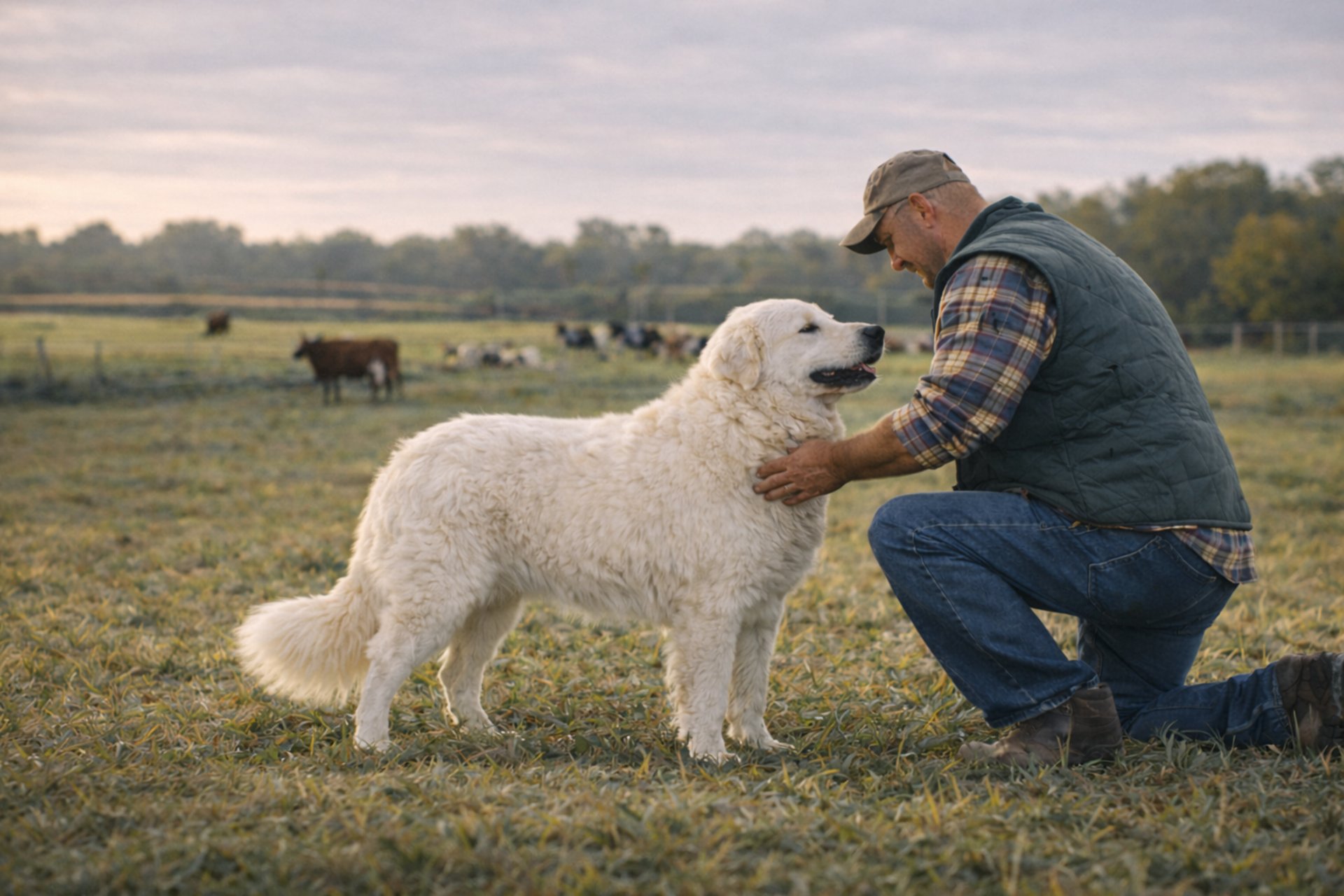
Great Pyrenees vs Maremma
Which Livestock Guardian Dog is Right for Your Farm & Family?
The Great Pyrenees earned its reputation honestly.
They were:
Imported early into the U.S.
Widely promoted by universities and predator-control programs
Highly visible in farming publications and extension offices
Gentle, impressive, and easy to recognize
Over time, they became the livestock guardian dog people recommended — not because there were no other options, but because they were the most familiar.
And familiarity matters.
Long before livestock guardian dogs became common in the U.S., another white guardian was quietly doing its job in the mountains of Italy — without fanfare, without marketing, and without seeking attention.
Meet the Maremma Sheepdog.
Bred for centuries in Italy, Maremmas were developed to:
Stay closely connected to their flock
Protect against wolves
Make independent decisions in challenging terrain
Remain consistently aware of the animals in their care
They weren’t bred to impress visitors.
They were bred to work.
Farmers who encounter the Maremma often say the same thing:
“I didn’t even know this breed existed — and then i realized they're exactly what we'd been looking for."
Many owners describe them as dogs that feel:
More connected
More deliberate
More discerning barkers — vocal when needed, quiet when not.
Less food
Less cleanup
Less prone to wandering - more focused on their territory, boundary-aware, staying closer to stock.
Deeply invested in their job.
As farming shifts, so do needs.
Today’s farmers are:
Managing diverse livestock
Working smaller or more varied properties
Seeking dogs that integrate seamlessly into daily farm life
As a result, the Maremma is being rediscovered — not as a replacement for the Great Pyrenees, but as an option many people were never told they had.
And once they experience a Maremma in action, many say:
“I wouldn’t go back.”
Not Better – Just a Different Working Style
This isn’t about declaring one breed “right” and the other “wrong” and both breeds excel living and working in challenging environments.
The Great Pyrenees remains a calm, gentle, and proven guardian with a long history in the U.S.
The Maremma simply offers a different approach to guarding — one that many modern farms, smaller operations, and predator-conscious homesteads find especially well-suited.
Where some guardians patrol wide areas,
Maremmas tend to stay closely connected.
Where some guardians balance people and livestock,
Maremmas are often more consistently engaged with their animals.
For many farmers, that difference matters.
Why You’re Hearing About Maremmas More Often Now
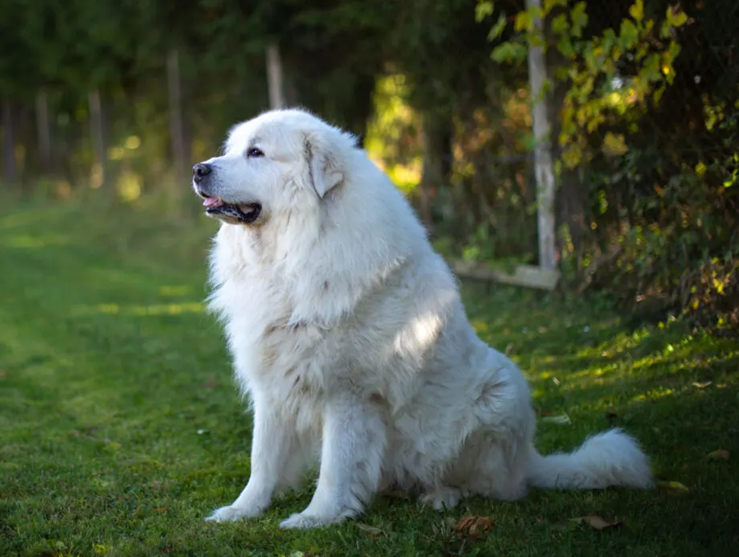
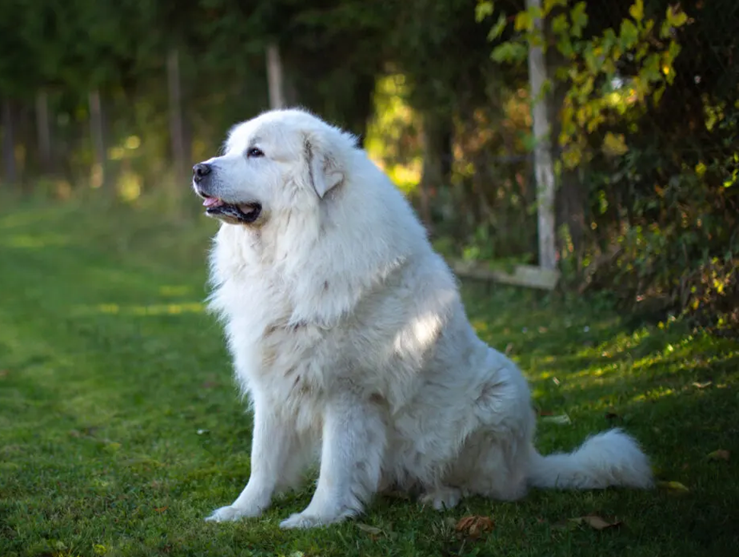
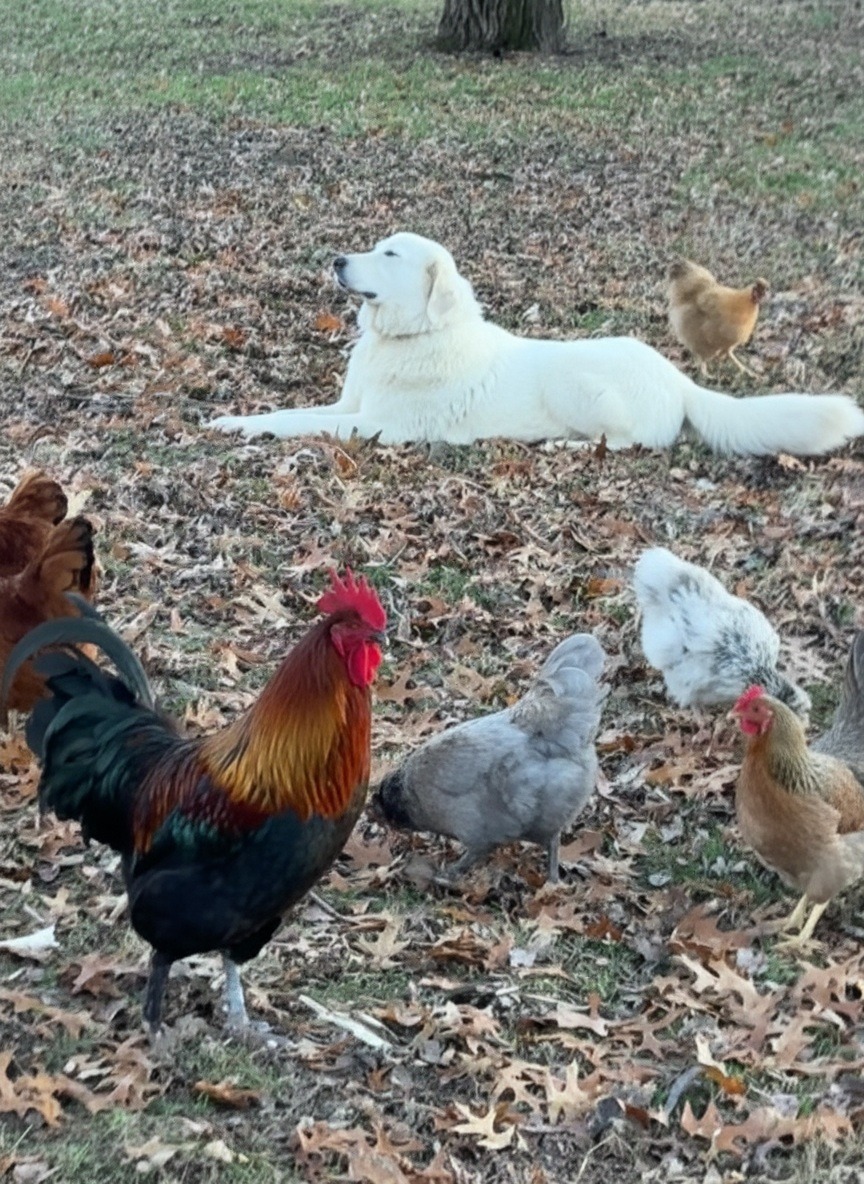
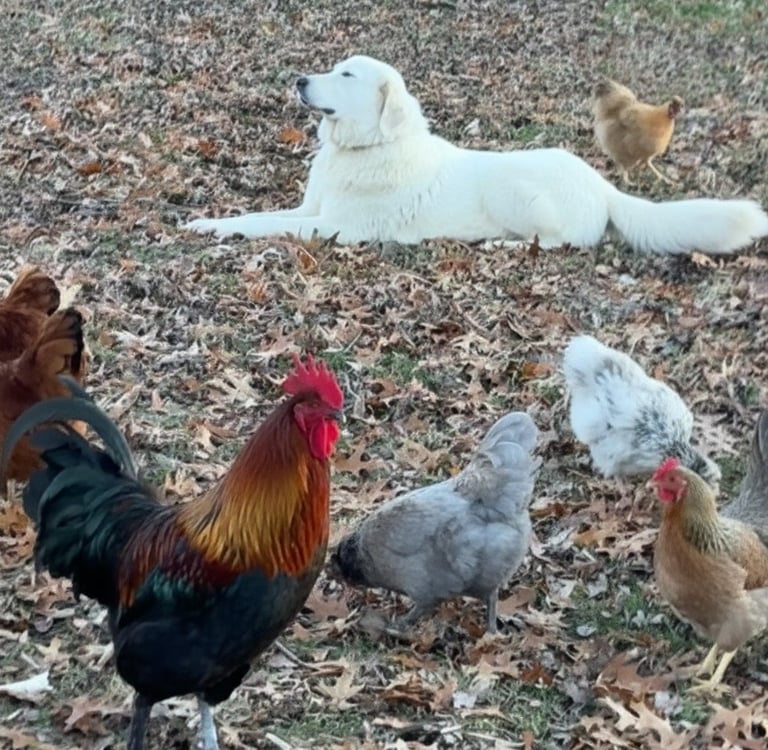
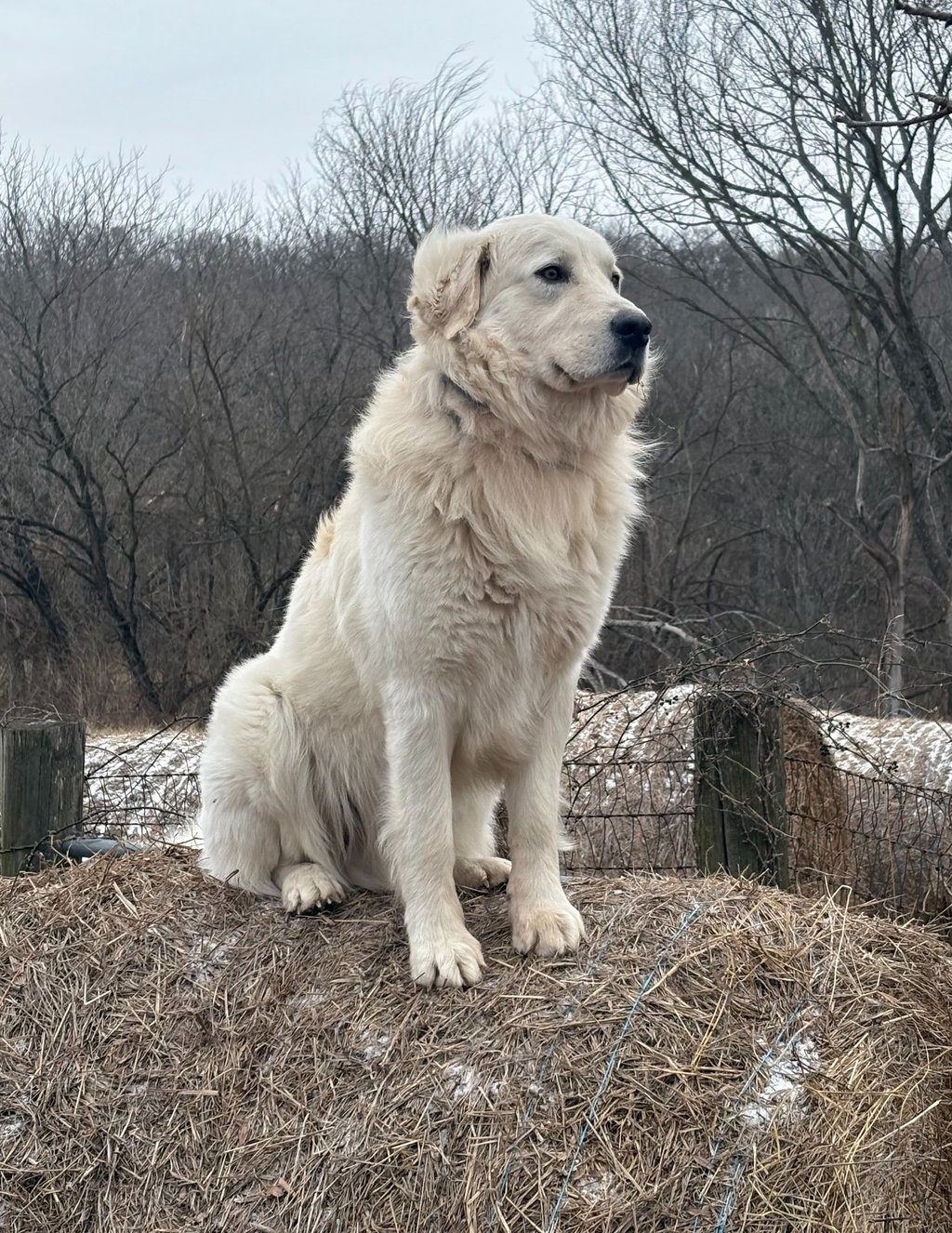
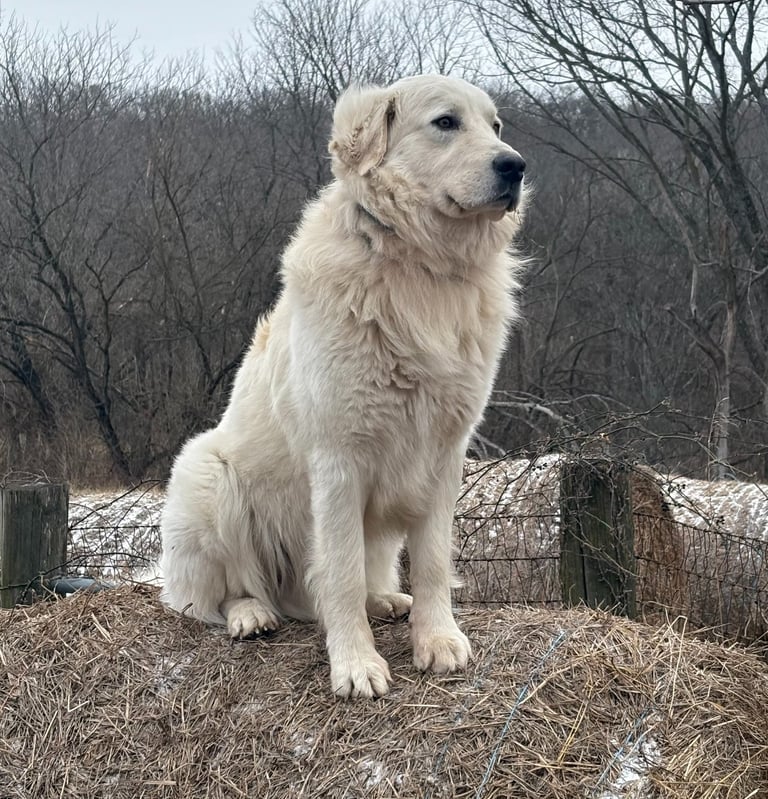
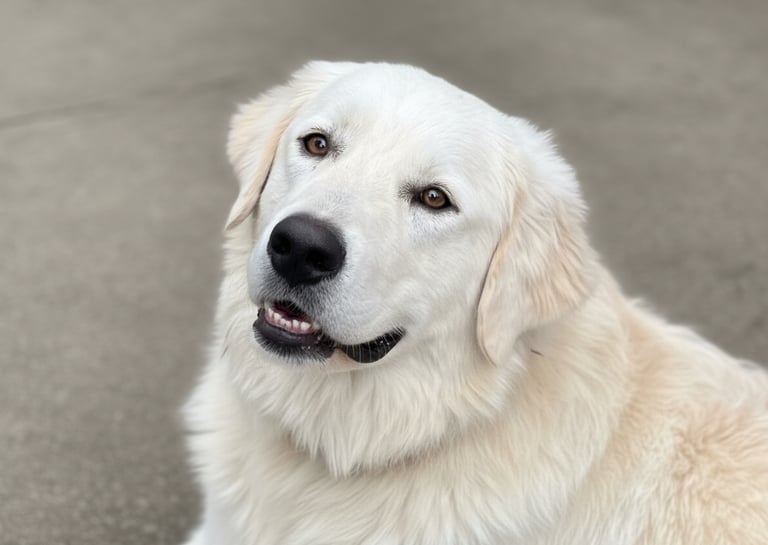
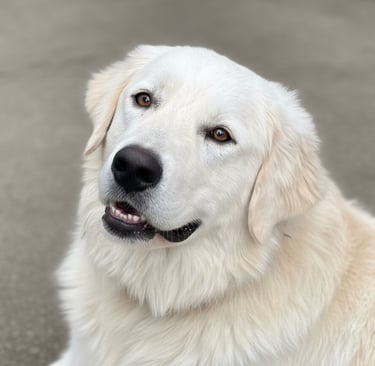
How the Great Pyrenees became the Go-To LGD...
Choosing a Livestock Guardian You Can Trust
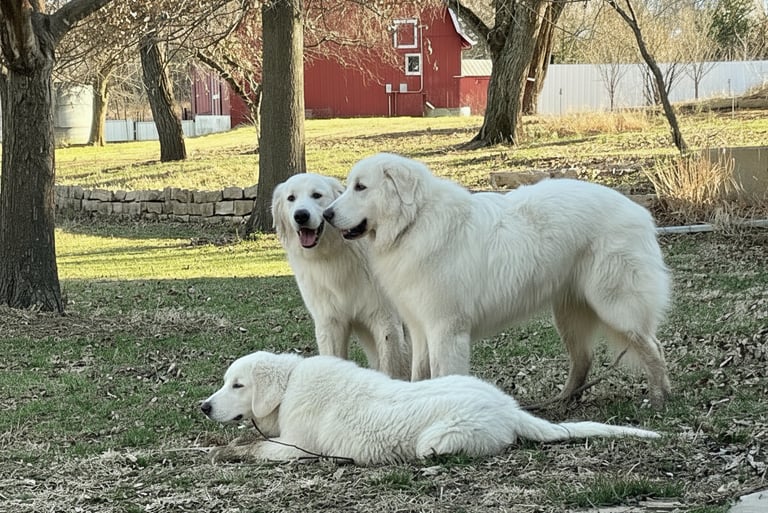
Why people love Maremmas (Once They Discover Them)
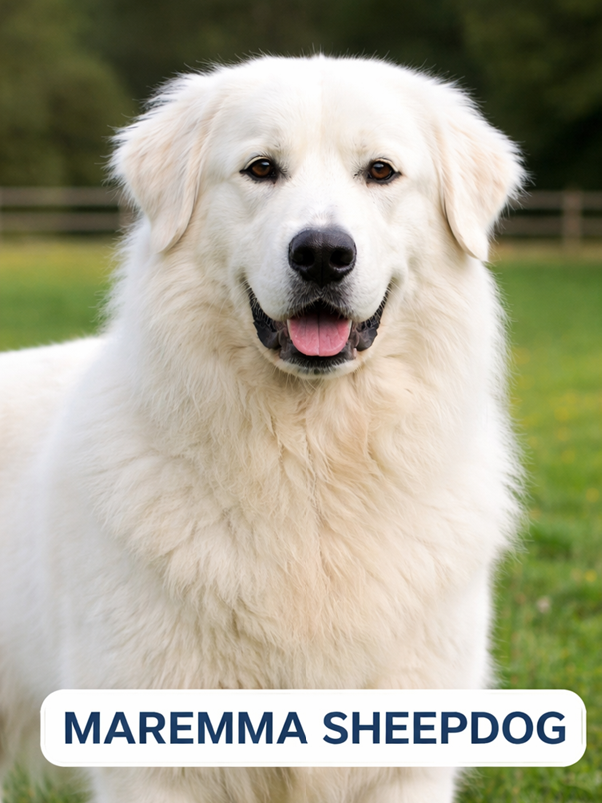
Discover the Maremma Difference
Why Choosing the Right Livestock Guardian Matters
If you’re researching livestock guardian dogs, you’re likely deciding between the well-known Great Pyrenees and the lesser-known Maremma.
You can build strong fences, lock coops, and stay vigilant — but predators are persistent. Whether it’s coyotes, stray dogs, raccoons, hawks, or larger threats, it often only takes one night to cause damage.
Choosing the right livestock guardian dog can be the difference between constant worry and long-term peace of mind.
That’s why understanding the real differences between Great Pyrenees and Maremmas matters — especially in daily farm life.
It helps you choose a guardian that fits your land, livestock, and the way you actually live and work.
Most farmers searching for a livestock guardian dog start in the same place.
They’ve heard of the Great Pyrenees.
They’ve seen them on farms.
They’re known, trusted, and widely recommended.
And for many operations, they’ve worked well.
But what most people don’t realize is this:
The Great Pyrenees isn’t the only proven livestock guardian — it’s just the one most people know.
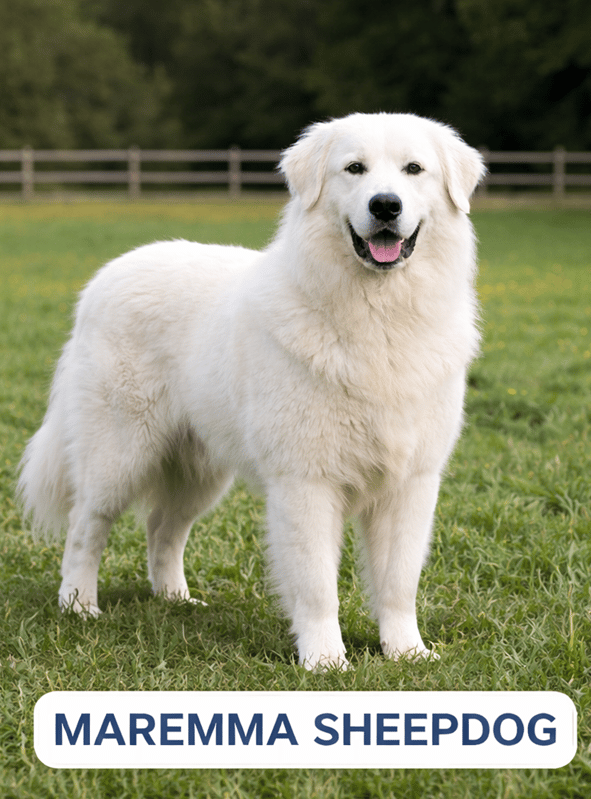
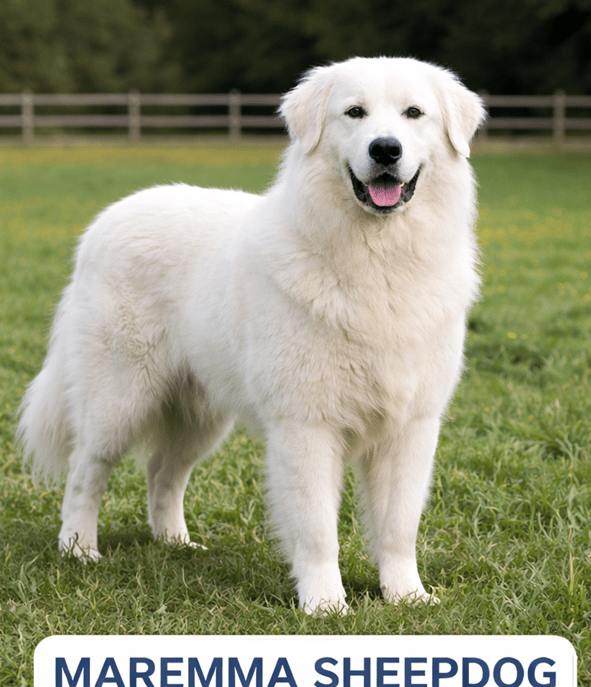
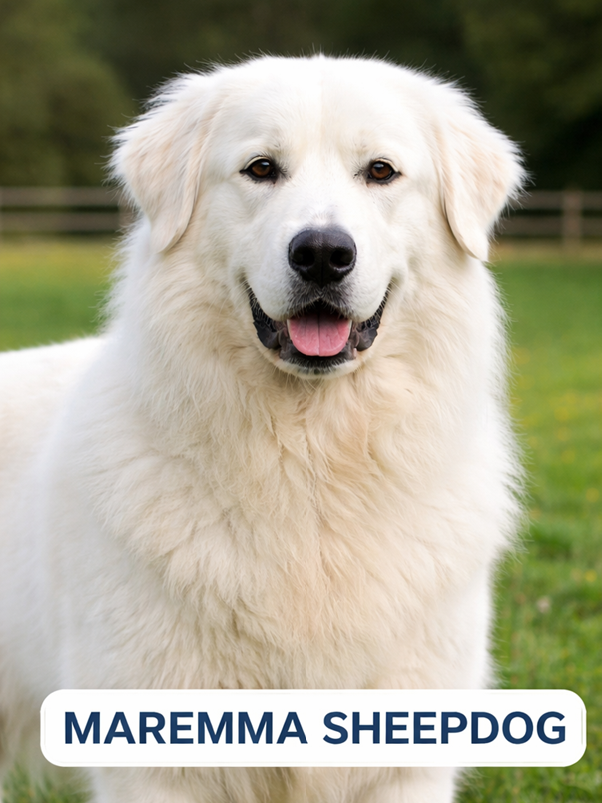
Maremma
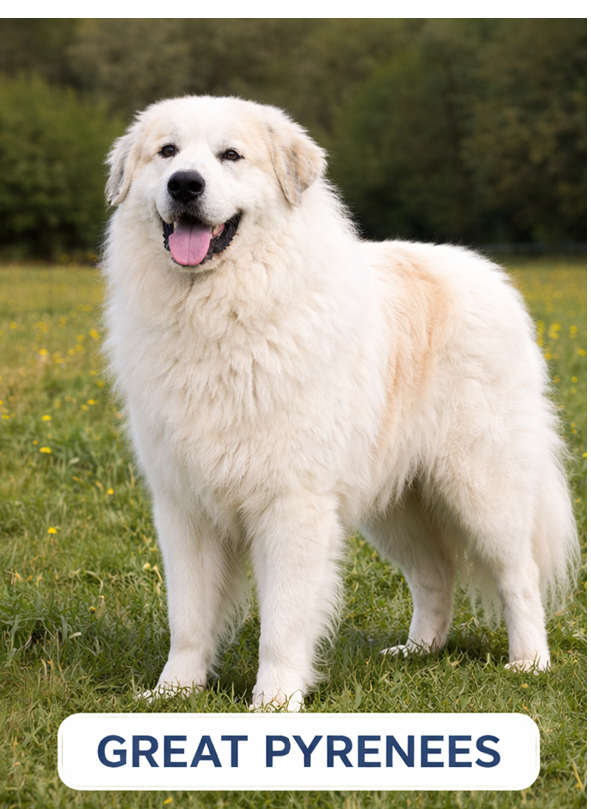
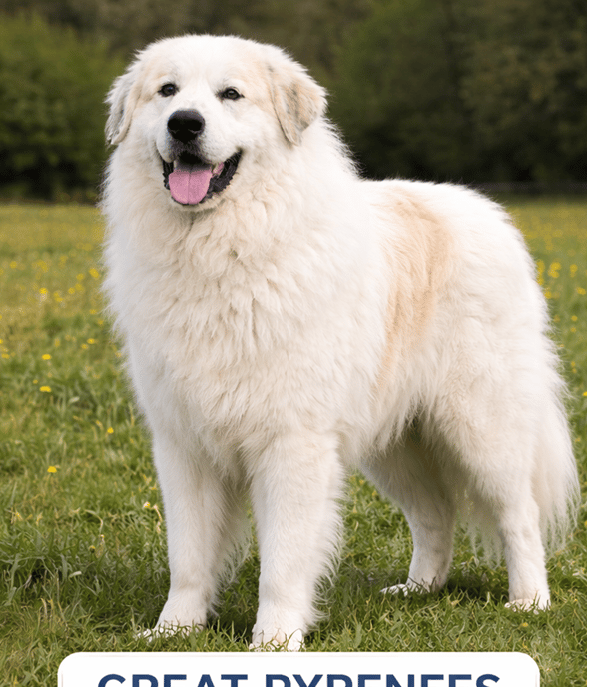
Great Pyrenees: Typically mature between 130–170+ lbs, making them one of the largest LGDs.
Maremma: Commonly mature around 65–100 lbs. While slightly smaller, Maremmas still guard livestock against wolves in Italy, proving they are no less capable in their role.
Size
Barking
Maremma: More selective barkers, often quieter overall, while still alert and protective when needed.
Great Pyrenees: Highly vocal, especially at night. Barking is part of their guarding style, which may be challenging for closer neighbors.
Maremma: Bred to bond closely with livestock while remaining loyal and affectionate with their family. Many owners find Maremmas excel at maintaining focus without losing their family-dog warmth.
Great Pyrenees: Often bond strongly to people first and livestock second. This makes them wonderful family companions, though some may be less consistently focused on animals.
Livestock Bonding & Focus
Maremma: Calm, confident, and steady. Affectionate without being needy, making them wonderful companions for families who want a relaxed but attentive guardian dog.
Great Pyrenees: Gentle, loving, and independent. They are highly social in their interactions and activity.
Temperament & Daily Life
Maremma vs. Great Pyrenees:
Which One Fits Your Farm?
For many farms, this difference isn’t theoretical—it shows up every single day.
Great Pyrenees
If you’re raising animals, you already know the truth: predators don’t wait for a convenient time. You need a livestock guardian you can trust—one that stays watchful, bonds well, and protects what matters most without being micromanaged.
Our Maremma puppies are raised right here at Limestone Farmhouse, surrounded by pasture, animals, and hands-on daily care. They’re growing up learning how to bond, observe, and protect—while still being sweet, family-friendly pups.
If you’re ready to add a guardian to your farm or acreage home, our puppies may be the perfect fit.
See our puppies available for farms and acreage homes.

Love what you’re Learning about Maremmas?
ADDRESS
437 N 2190 Rd Lecompton, KS 66050


CONTACT
720-934-3620
info@LimestoneFarmhouse.com